
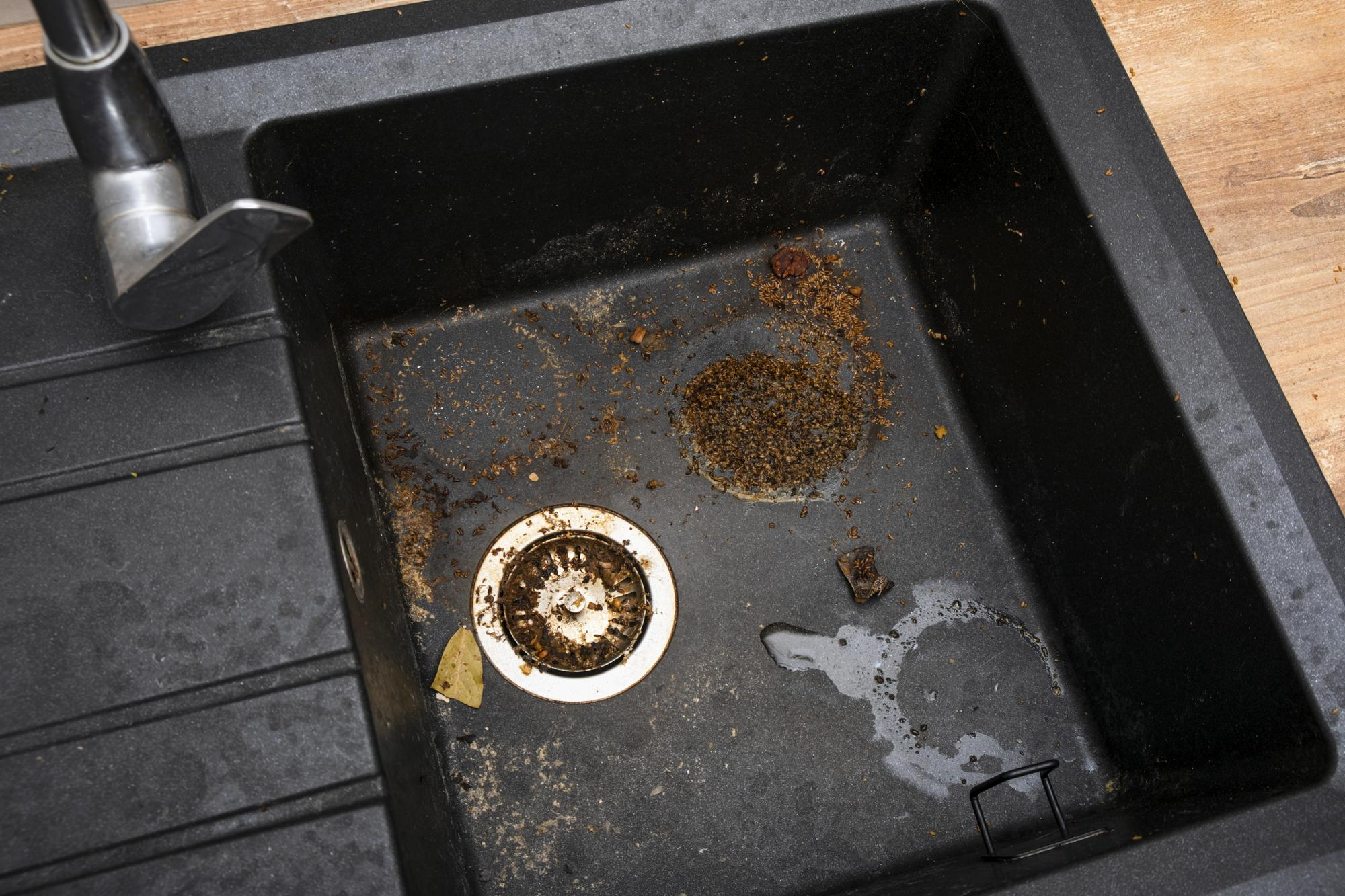
Every time you pour cooking oil or grease down the sink, you risk clogging your kitchen drains and damaging your plumbing. San Diego’s unique climate and aging infrastructure make this problem even more urgent. Grease solidifies inside pipes, leading to slow drainage, foul odors, and expensive repairs. With the right knowledge and practical steps, you can prevent grease buildup and maintain a healthy kitchen plumbing system for years to come.
Sommaire
ToggleWhy grease buildup is a serious problem in kitchen drains
Grease is one of the most damaging substances you can introduce into your plumbing system. In San Diego, this issue is even more pressing due to aging pipes and dense residential zones.
How grease enters and solidifies in drains
After cooking, grease and oil often appear harmless in liquid form. But once poured down the sink, they quickly cool and stick to the inner walls of your pipes. Over time, each small rinse adds a layer of buildup that narrows the passageway and causes long-term blockages. This gradual accumulation reduces pipe diameter and slows water flow significantly.
Common issues caused by grease blockages
When grease starts to close up your pipes, you may face several problems:
- Slowed water flow, causing your sink to drain poorly or become sluggish.
- Accumulation of organic matter, which promotes clogs and blockages deeper in the system.
- Persistent foul odors that can spread throughout your kitchen.
- Unpleasant gurgling sounds as air struggles to pass through narrowed pipes.
- Full backups or overflows, leading to water spilling out of your sink.
- Damage to the entire drainage system, not just the kitchen sink pipes.
- Costly and disruptive plumbing failures, requiring professional repairs or pipe replacement.
Why this is a growing concern in San Diego homes
Many San Diego homes ; especially in neighborhoods like North Park or Hillcrest, rely on older, narrower pipes. These systems are more sensitive to grease buildup due to reduced flow capacity. With the city’s frequent drought conditions and encouragement to conserve water, people rinse with less volume, which increases the risk of grease settling in the line. Aging infrastructure combined with local climate factors compounds the problem.
Warning signs of grease clogs in your kitchen drain
Watch for these key signals that your drains may be affected by grease buildup:
- Slow drainage, especially after washing oily dishes, caused by fat deposits restricting water flow.
- Gurgling or bubbling sounds when water drains, indicating trapped air in narrowed pipes.
- Foul odors that linger, resulting from decaying food particles stuck in grease buildup.
- Frequent minor clogs requiring plunging or flushing, signaling a deeper, persistent grease lining inside the pipes.
The long-term risks of ignoring grease buildup
Small issues today can turn into major plumbing failures tomorrow. Grease doesn’t go away ; it accumulates silently until serious damage occurs.
Pipe corrosion and structural damage
When grease traps food particles and moisture, it creates the perfect conditions for bacterial growth and acidity. This combination starts to eat away at metal and weakens PVC junctions. Left undetected, it can lead to internal leaks that cause mold growth, water stains, and damaged cabinetry. The structural integrity of your plumbing system can suffer irreparable harm.
Backups and overflows during heavy use
Grease clogs restrict your system’s capacity. During peak use ; like family dinners or holidays ; the pipes can’t keep up with the demand. The result is a violent overflow of waste water that can damage your floors, ruin cabinets, and introduce unsanitary conditions. Cleanup from such events is costly and inconvenient.
Increased plumbing costs over time
You might clear a minor clog with boiling water or a quick fix, but the real cost comes later. Over time, recurring blockages and partial drain collapses require hydro-jetting, pipe replacement, or even floor excavation. These services are expensive and entirely avoidable with proper prevention. Early care protects both your pipes and your wallet.
Best practices to prevent grease buildup in your kitchen
Daily routines have a bigger impact than you think. Small changes in your kitchen habits can dramatically reduce grease-related plumbing issues.
Never pour grease down the drain : even with hot water
Many believe hot water ;melts; grease away, but that’s misleading. All it does is move the liquid fat further down the system, where it cools and hardens. Instead, let grease cool in a heat-safe jar, then throw it in the garbage once it solidifies. This simple habit prevents grease from entering your pipes altogether.
Use grease traps or strainers
A grease trap installed under the sink intercepts oil before it reaches the drain. If that’s not feasible, a simple mesh strainer over your drain will still catch small food particles and reduce residue. These tools are low-cost but extremely effective in preventing blockages. Regularly cleaning these traps prolongs their efficiency.
Wipe pans and plates before washing
Use a paper towel or spatula to remove excess fat from your pots and plates. This step eliminates most of the residual grease that would otherwise go down the drain. It’s especially helpful after cooking meats, frying, or using heavy oils like bacon fat or butter. This habit drastically lowers the amount of fat entering your plumbing.
Collect and recycle cooking oil properly
San Diego offers designated drop-off centers for used cooking oil. Pour cooled oil into a sealable bottle or can and take it to a recycling point. This not only protects your plumbing but also contributes to the city’s environmental sustainability efforts. Responsible disposal benefits your home and the community.
Natural and eco-friendly cleaning habits
Regular gentle cleanings make a big difference. Chemical products often damage pipes and harm local water systems ; natural methods work better in the long run.
Monthly baking soda and vinegar flush
Start with half a cup of baking soda poured into your drain. Follow with a full cup of vinegar and let the solution sit for ten minutes. The chemical reaction dislodges soft grease and freshens the pipe ; rinse with hot water for a final flush. This monthly routine prevents buildup without harmful chemicals.
Hot water rinses after heavy cooking
Right after preparing a greasy meal, pour a kettle of hot water down the drain. This helps push residual fats further before they cool. While not a full solution, it’s a good supporting habit alongside other methods. Consistency is key for prevention.
Avoid overusing chemical drain cleaners
Many commercial cleaners are highly acidic and cause long-term damage to the pipe walls. They also pollute the city’s wastewater and can be dangerous to pets and children. Use these products only in emergencies and prefer eco-friendly maintenance techniques. This protects both your home and the environment.
When to call a professional plumber in San Diego
Some grease problems go beyond DIY. Knowing when to bring in an expert prevents deeper, costlier damage.
Persistent slow drains or frequent clogs
If you’ve tried natural flushes and strainers but still face slow drainage, the clog is likely beyond reach. Licensed plumbers use drain cameras to locate deep grease deposits and clear them using professional tools. Early intervention avoids emergency situations.
Foul smells that don’t go away
Persistent bad odors usually indicate decay inside the pipes. These smells survive surface cleaning because the buildup lies deeper in the system. A plumber can break down compacted grease and clean the pipe walls thoroughly. Professional care restores your kitchen’s hygiene.
Preventive hydro-jetting for heavily used kitchens
Hydro-jetting uses high-pressure water to completely clear grease from the inside of your pipes. It’s especially useful if your home kitchen handles frequent cooking, or if you rent out property and need a reliable reset between tenants. This service removes buildup faster and more thoroughly than manual methods.
Choosing a licensed San Diego plumbing expert
Always choose a plumber with knowledge of San Diego’s local plumbing codes. Look for someone who offers transparent pricing, guarantees their work, and uses environmentally safe practices. A good professional will also offer advice for long-term prevention. This ensures your investment is protected.
Grease buildup isn’t just a plumbing problem ; it’s a habit problem. Every time you choose to wipe a pan, use a strainer, or recycle cooking oil, you reduce the risk of costly backups and repairs. In San Diego, where older pipes meet modern kitchens, the best way to protect your home is prevention.
