
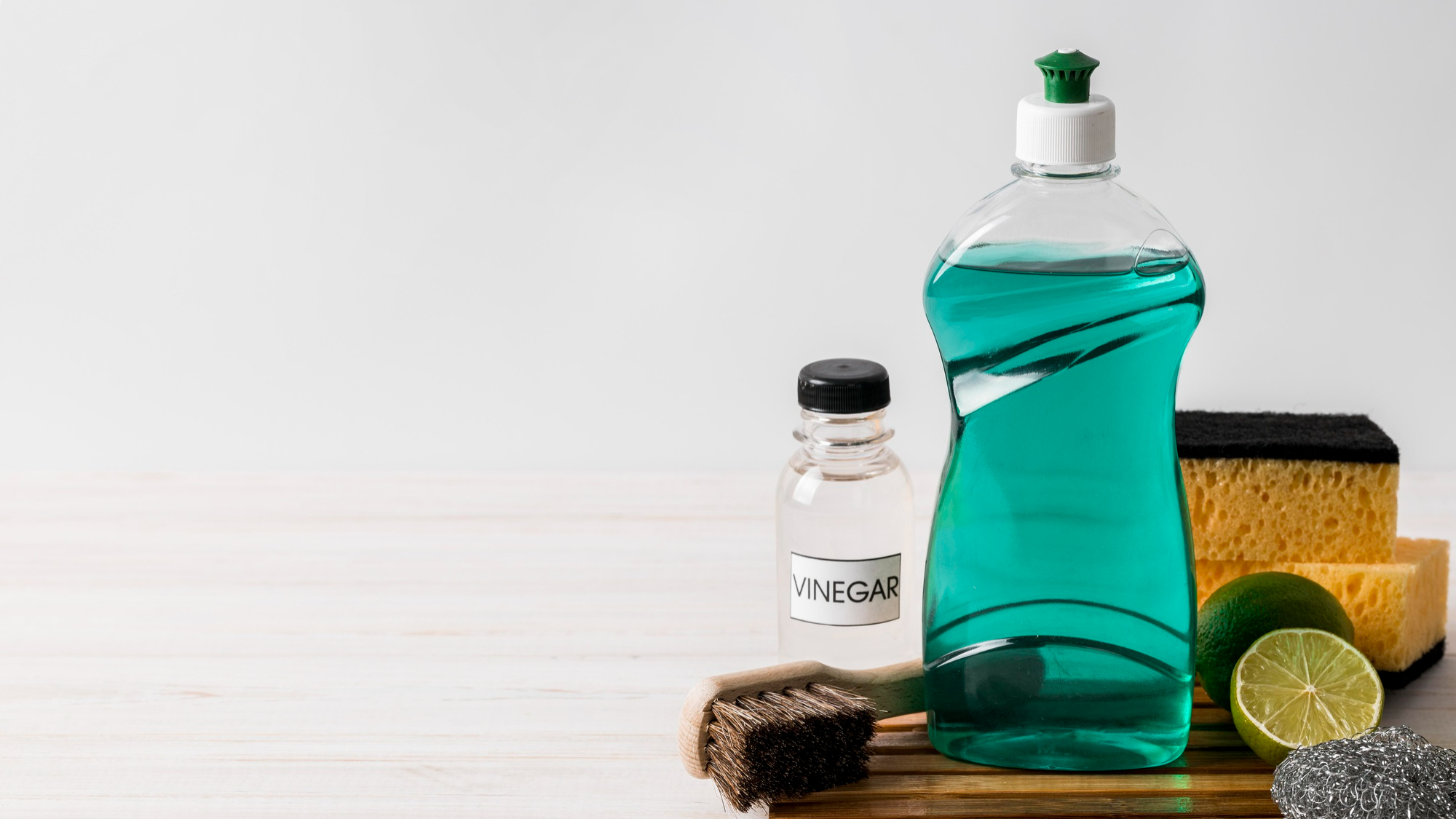
Keeping your drains in top condition is essential to ensuring your plumbing system functions properly. In San Diego, where the climate and frequent use of water can cause plumbing issues, finding eco-friendly drain cleaning methods can save you from relying on toxic chemicals. By using natural alternatives, you can maintain clear drains while also being kind to the environment.
Sommaire
ToggleUnderstanding drain clogs in San Diego: what’s the local scoop?
Before we dive into cleaning, let’s understand why drains get sluggish. While the culprits are often universal, San Diego’s unique lifestyle and water conditions can play a role.
What are the most common drain culprits in San Diego homes?
Just like anywhere, your drains face a constant battle against common adversaries:
- Hair and pet fur are a major cause of blockages, especially in bathrooms, where they intertwine and form dense clogs.
- Soap scum and body oils combine with hair to create stubborn, sticky clogs in the drains.
- Grease and food scraps solidify when cooled in kitchen pipes, causing build-up and restricting flow.
- Mineral deposits (Hard Water) accumulate inside pipes over time, narrowing the flow due to calcium and magnesium.
- Flushable wipes and hygiene products don’t break down properly and often cause major obstructions in plumbing systems.
- Tree roots can invade outdoor sewer lines, especially in older homes with clay pipes, causing widespread drainage issues.
Is it a local drain problem or a main line issue?
Identifying the scope helps determine the solution. If only one drain is slow, the blockage is likely localized in that fixture’s trap or immediate piping. If multiple drains are slow or backed up, it suggests a more significant problem in your main sewer line, potentially requiring professional attention. San Diego’s older neighborhoods might be more susceptible to main line issues due to aging infrastructure.
Our top eco-friendly drain cleaning methods for San Diego homes
Now for the solutions! We always advocate starting with the gentlest, most environmentally sound approaches.
Natural powerhouses: baking soda and vinegar
This dynamic duo is our go-to for many household tasks, and drains are no exception. It’s safe for your pipes, your family, and San Diego’s waterways.
- Pour 1/2 to 1 cup of baking soda down the slow drain. Try to get as much as possible directly into the drain opening.
- Follow with 1 cup of white vinegar (warm, not boiling). You’ll observe a fizzy reaction – that’s the chemical magic at work!
- Let it sit for at least 30 minutes, or ideally, several hours or overnight for tougher clogs.
- Flush thoroughly with very hot water (from the tap, not boiling, to protect PVC seals).
This method is incredibly effective for dissolving grease, soap scum, and minor hair clogs. We use it regularly as a preventative measure in our own homes.
The unsung hero: used coffee grounds
Coffee grounds are a gentle abrasive that can help scour away minor buildup. Plus, it’s a great way to repurpose your morning brew!
- After brewing, carefully pour used coffee grounds directly into the drain.
- Follow with a good flush of hot water to help them move through the pipes.
We recommend this primarily as a preventative measure, perhaps once or twice a week, to help keep kitchen drains clear of greasy buildup. It’s not for a full-blown clog.
Boiling water: simple yet effective
For purely greasy clogs, hot water can do wonders.
- Carefully pour a kettle of boiling water slowly down the drain.
- Repeat 2-3 times, waiting a few minutes between pours.
This is best for kitchen sinks with accumulated grease. Avoid this method on PVC pipes if you suspect they are old or damaged, as extreme heat could warp them. Generally, modern PVC can handle hot tap water, but boiling water is a different story.
Read more: Emergency pipe repairs: what to do before calling a plumber
Manual tools: when you need more force
If natural remedies don’t quite cut it, it’s time for some old-fashioned elbow grease.
The plunger: your first line of defense
The plunger is the classic drain-clearing tool for a reason – it’s often all you need.
- Ensure there’s enough water in the sink or tub to cover the rim of the plunger cup, creating a tight seal.
- Position the plunger firmly over the drain opening.
- Pump vigorously up and down for 1-2 minutes. The goal is to create suction and pressure that dislodges the clog.
- Quickly pull the plunger away and observe if the water drains. Repeat as necessary.
The plunger is excellent for shallow clogs in sinks, bathtubs, and toilets. Every San Diego home should have one!
The drain snake (hand auger): for deeper clogs
A drain snake (or hand auger) is a flexible metal cable with a crank on one end and a corkscrew-like tip on the other.
- Insert the snake’s tip into the drain opening.
- Turn the crank while pushing the snake into the pipe. You’ll feel resistance when you hit the clog.
- Continue turning the crank to either break through the clog or hook onto it.
- Slowly pull the snake out, turning as you go, to remove the debris.
- Flush with hot water to clear any remaining particles.
A drain snake is invaluable for deeper, more stubborn clogs that a plunger can’t reach. It’s a tool we’ve used countless times ourselves.
When all else fails: inspecting the trap
The P-trap (the curved pipe section under your sink) is a prime location for clogs to form.
- Place a bucket directly under the P-trap to catch water and debris.
- Loosen the slip nuts that hold the P-trap in place (usually hand-tight, or use pliers if needed).
- Remove the P-trap and empty its contents into the bucket.
- Thoroughly clean the inside of the P-trap with an old brush or wire.
- Reassemble the P-trap, ensuring all connections are tight to prevent leaks.
- Run water to check for proper drainage and leaks.
We encourage cleaning your P-trap at least once a year, even without a clog. It’s a fantastic preventative measure.
Calling a professional plumber in San Diego
Sometimes, despite your best efforts, the problem requires expert intervention. Here’s when to call in the pros, who can often employ hydro-jetting, an effective and chemical-free method:
- If you’ve tried all methods and the drain remains blocked.
- If the same drain keeps clogging, it might indicate a larger issue like damaged pipes or excessive mineral buildup.
- As mentioned, this suggests a main sewer line problem that needs specialized equipment.
- Persistent bad smells can point to deeper clogs, dry traps, or even vent pipe issues.
- Don’t wait! This indicates a serious blockage that needs immediate professional attention to prevent water damage.
Professional plumbers have advanced tools like drain cameras for inspection and hydro-jetters, which use high-pressure water to thoroughly clean pipes without chemicals. Investing in professional service can save you significant headaches and costs in the long run.
Prevention is key: keeping San Diego drains clear
An ounce of prevention is worth a pound of cure, especially for your drains! Adopting these habits will significantly reduce the likelihood of clogs.
- Install drain screens: Use mesh screens or drain filters in all sinks and shower drains to catch hair, food particles, and debris. Empty them regularly.
- Scrape food waste: Scrape food scraps into the trash or compost before rinsing plates. San Diego has excellent composting programs, so take advantage!
- Proper grease disposal: Never pour cooking grease down the drain. Let it cool and solidify, then scrape it into the trash.
- Avoid flushable wipes: Even if labeled flushable, these do not break down. Dispose of all wipes and hygiene products in the trash. This is crucial for protecting San Diego’s wastewater treatment plants.
- Regular hot water flush: After using a sink, run hot water for a few seconds to help flush away minor residues.
- Monthly baking soda & vinegar treatment: Even without a clog, a monthly flush with baking soda and vinegar helps keep pipes fresh and free of minor buildup.
We truly hope these eco-friendly methods empower you to keep your San Diego home’s drains running smoothly. Remember, prevention is your best friend. By adopting these sustainable habits and acting quickly at the first sign of a problem, you’ll contribute to a healthier home and a cleaner San Diego environment.
Read more: How to prevent costly plumbing failures with regular maintenance
