
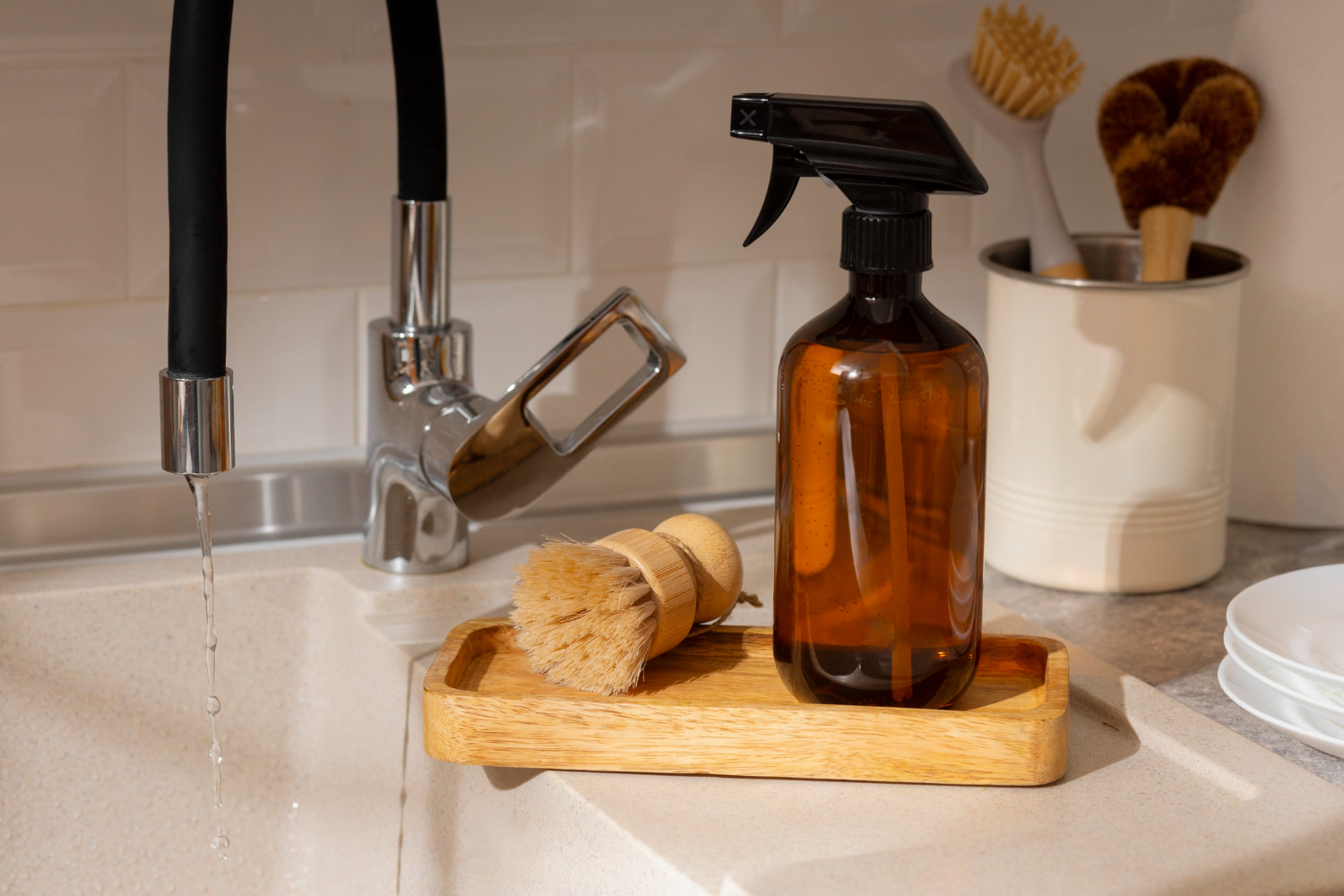
Maintaining clean drains isn’t just about preventing plumbing issues; it’s also key to ensuring good indoor air quality. In San Diego, where moisture and humidity are common, a buildup of grease, food particles, and organic matter in your drains can cause mold and bacteria to thrive. These contaminants can spread through your home’s air, affecting your health and comfort.
Sommaire
ToggleHow clogged drains impact indoor air quality
Clogged drains not only block water flow but can also harm your indoor air quality. The buildup of debris and organic matter creates a breeding ground for mold, bacteria, and unpleasant odors that affect your home’s air.
Mold and bacteria growth in stagnant water
When drains are clogged, they trap water that can stagnate and provide an ideal environment for mold and bacteria to thrive. This is especially problematic in areas with high humidity, such as San Diego. The mold spores and bacteria that develop in clogged drains can spread through your home’s ventilation system, leading to poor air quality and potential health issues such as allergies, asthma, and respiratory infections.
Odors from clogged drains and bacteria
A common side effect of clogged drains is unpleasant odors. The buildup of food, grease, soap scum, and organic matter in your pipes can cause these smells to seep into your home. These odors can be more than just an inconvenience; they can contribute to bad air quality by increasing the concentration of unhealthy substances in your indoor air. Regular cleaning eliminates this source of pollution and keeps your home smelling fresh.
Excess moisture contributing to mold growth
Clogged drains often cause water backup, which leads to excess moisture in your plumbing system. This moisture can seep into walls, floors, or ceilings, creating the perfect breeding ground for mold and mildew. The growth of mold not only damages your property but also compromises indoor air quality. Regular drain cleaning helps prevent this moisture buildup, reducing the risk of mold infestations and the negative health effects associated with it.
Why regular drain cleaning is essential for San Diego homes
Regular drain cleaning prevents clogs, backups, and water damage. With the city’s unique climate, routine maintenance helps ensure efficient drainage and protects against costly plumbing issues.
Preventing blockages before they happen
In San Diego, the climate and the environment can contribute to faster accumulation of debris in your drains. Leaves, dirt, and other organic materials can clog drains, leading to slow drainage and eventual blockages. By cleaning your drains regularly, you can prevent debris from building up and ensure that your plumbing system functions smoothly, reducing the risk of blockages that affect both water flow and air quality.
Enhancing drainage efficiency and preventing leaks
When your drains are clean, water flows freely through the system. This not only prevents blockages but also reduces the risk of leaks. Slow drainage and blocked pipes put pressure on your plumbing system, increasing the likelihood of cracks or burst pipes. A healthy drainage system keeps water flowing smoothly, preventing leaks that could lead to water damage and affect indoor air quality by introducing excess moisture into your home.
Long-term cost savings
Maintaining clean drains prevents the buildup of grease and debris, which can lead to larger, more costly plumbing issues down the road. Regular drain cleaning is a simple and affordable way to avoid expensive repairs like pipe replacements or water damage repairs. Plus, a well-maintained drainage system is less likely to develop serious problems that could compromise air quality, saving you both time and money.
How to keep your drains clean in San Diego
Keeping your drains clean in San Diego requires regular maintenance to prevent clogs and debris buildup. Simple habits like using drain guards, pouring boiling water, and scheduling professional inspections can keep your plumbing system running smoothly.
Use natural cleaning solutions
Instead of using harsh chemicals, opt for natural cleaning solutions like baking soda and vinegar. These ingredients are effective at breaking down grease and debris, while also being gentle on your pipes and environmentally friendly. Pour a mixture of baking soda and vinegar down your drains once a month to keep them clean and prevent buildup.
Install drain covers
Installing drain covers is an easy and effective way to prevent debris from entering your pipes. These covers catch food scraps, hair, and larger particles before they enter your drainage system, making your cleaning routine much easier. Make sure to clean the covers regularly to maintain their effectiveness.
Schedule professional inspections
Even with regular cleaning, it’s important to schedule a professional inspection annually. A plumber can use advanced tools like video cameras to inspect your pipes and check for hidden issues that might not be visible to the naked eye. Catching problems early allows for prompt action, reducing the likelihood of serious plumbing issues and improving air quality.
Proper drain cleaning is more than just about keeping your plumbing system functioning; it directly impacts the quality of the air you breathe at home. Regular cleaning prevents clogs, reduces moisture, and eliminates harmful bacteria and mold, ensuring that your home stays clean and healthy. By following the tips in this guide and scheduling professional inspections, you can keep your drainage system in top shape and your air quality at its best.
