
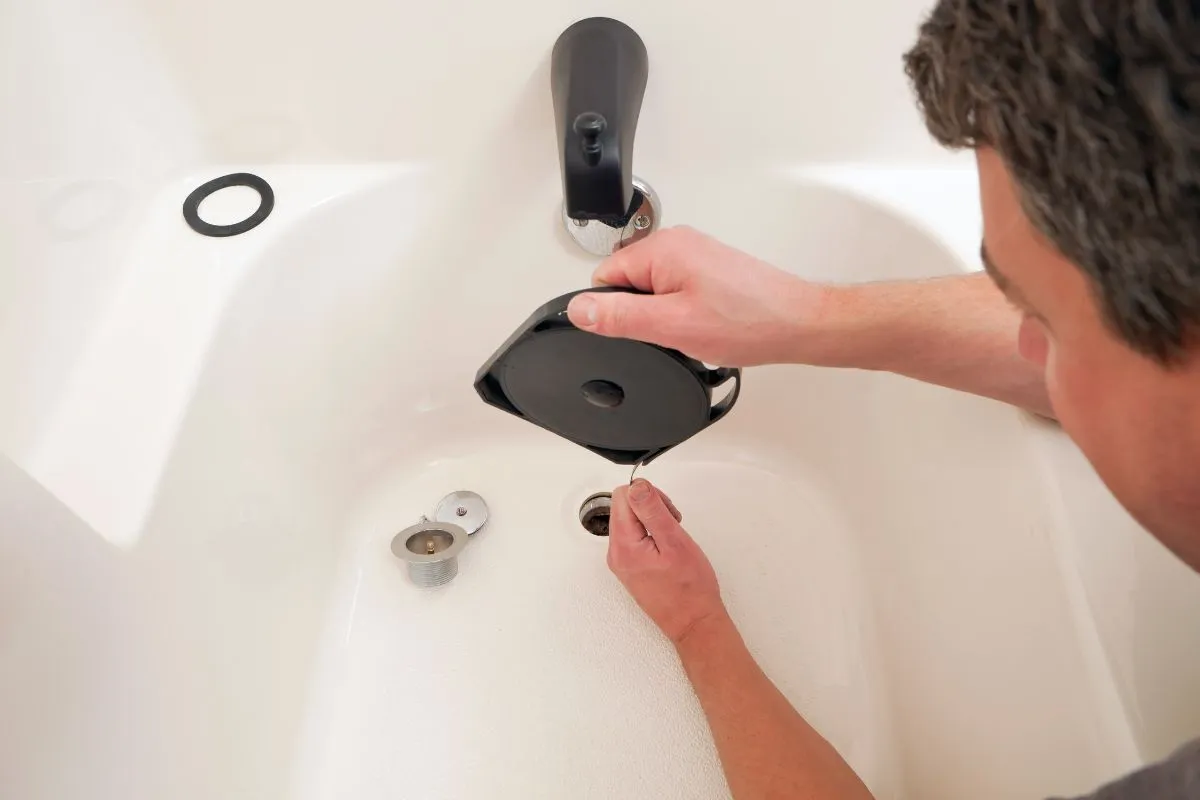
Clogs can be a real headache, but when cleaning isn’t enough, what do you do? Discover how to handle those stubborn blockages that require more than a quick fix. This guide reveals why sometimes you need drain repair to tackle the root of the problem. Dive into practical advice and tips that ensure your home’s plumbing stays trouble-free.
Sommaire
ToggleUnderstanding when drain cleaning isn’t enough
Sometimes, simple drain cleaning won’t solve the issue. Understanding when to seek further drain repair becomes crucial. Look for these signs that indicate deeper problems:
- Water drains slowly despite cleaning.
- Frequent backups in multiple fixtures.
- Persistent bad odors from drains.
- Visible cracks or leaks around pipes.
These signs often suggest structural damage, requiring more than just cleaning. Consider consulting a professional to prevent further complications. Regular maintenance and professional inspections help avoid costly repairs.
Signs that indicate a deeper issue
Persistent drain issues often signal underlying problems beyond simple clogs. Identifying these signs early can prevent costly repairs.
- Water backing up in multiple fixtures
- Unpleasant odors from drains
- Slow drainage despite regular cleaning
Ignoring these warning signs might lead to extensive damage, making timely intervention essential.
How to differentiate between a clog and a damage
Differentiating between a simple clog and actual drain damage involves recognizing specific signs. A clog often shows gradual water drainage, while damage might present more severe symptoms. Consider these differences:
- Slow drainage: Clogs often cause water to drain slowly.
- Water backups: Persistent backups could suggest damage.
- Unusual noises: Gurgling sounds may indicate structural issues.
- Frequent clogs: Recurring blockages might signal underlying damage.
Inspect drains regularly and seek professional advice if unsure. Understanding these signs ensures effective drain repair solutions.
Common causes of drain damage after clogs
Frequent clogs in drains often result in unseen damage. Over time, buildup from hair, grease, and other debris exerts pressure on pipes. This pressure leads to cracks or breaks. Environmental factors also contribute. Tree roots seek moisture and infiltrate pipes, causing blockages and structural issues. Additionally, outdated plumbing materials, like cast iron, corrode faster under stress. Each of these elements weakens your drainage system, necessitating repairs. Recognizing these common causes helps homeowners prevent costly damage. Ensure regular maintenance to safeguard your home’s plumbing.
Frequent clogging and its impact on drains
Frequent clogging stresses your drain system. Repeated blockages lead to increased pressure on pipes, causing potential cracks or leaks. This often results in costly repairs and replacements. Grease, hair, and debris build-up contribute to these issues. Addressing clogs promptly prevents long-term damage. Regular maintenance and cleaning can alleviate pressure and extend the lifespan of your plumbing. Recognizing recurring blockages helps in identifying the underlying causes, enabling timely interventions. Understanding these impacts aids in maintaining a functional and efficient home environment, saving you from unnecessary expenses.
Environmental and external factors
Environmental and external factors can significantly affect drains. Tree roots often invade pipes, causing blockages. Shifting soil and temperature changes can crack or displace pipes. Urban areas experience heavy rainfall, leading to increased water pressure on drainage systems. These conditions demand vigilance to prevent costly repairs and ensure a functional home. Regular inspections can help detect early signs of drain damage.
Steps to assess drain damage
Assessing drain damage requires careful evaluation to avoid further issues. Look for signs that cleaning didn’t resolve. Follow these steps for a thorough assessment.
- Check for recurring clogs after cleaning
- Inspect pipes for visible cracks or leaks
- Listen for unusual gurgling sounds
- Observe slow drainage despite recent cleaning
Identifying these signs helps determine if a drain repair is needed.
Tools and techniques for inspection
Inspecting drains for damage involves specific tools and techniques to ensure accurate assessments. Here’s a list of essentials:
- Plumbing snake
- Drain camera
- Hydro jetting equipment
- Pipe inspection scope
- Flashlight
- Water pressure gauge
Proper inspection tools help identify issues efficiently. Accurate detection ensures timely drain repair actions.
When to call a professional plumber
Persistent clogs or slow drains often suggest deeper issues. When DIY fixes fail, it’s crucial to call a professional plumber. Look for signs like frequent blockages, unpleasant odors, or multiple affected drains. These may indicate pipe damage or corrosion. A professional has the tools to accurately diagnose and repair the problem. Ignoring these symptoms risks worsening the damage and increasing repair costs. Timely intervention by an expert ensures a long-term solution, saving you time and stress. Don’t wait until the problem escalates.
Drain repair solutions
- Patch small leaks with epoxy putty.
- Replace damaged pipes with PVC.
- Use a plumbing snake for minor blockages.
- Employ hydro jetting for stubborn clogs.
- Call professionals for severe pipe damage.
DIY repair methods for minor issues
For minor drain issues, DIY repair methods can be effective. Try these techniques:
- Use a plunger to clear simple clogs.
- Apply a drain snake for deeper blockages.
- Mix baking soda and vinegar for a natural solution.
- Employ a wet/dry vacuum for suction power.
- Check trap pipes for lodged debris.
- Inspect for visible pipe leaks.
Balancing home drain maintenance with expert help ensures optimal results.
Professional repair options for serious damage
For serious drain damage, hiring a professional plumber ensures effective solutions. They use advanced equipment like hydro-jetting and trenchless technology to fix issues without major excavation. Professionals accurately diagnose problems, whether it’s root intrusion or pipe corrosion. Their expertise in selecting the right materials ensures long-lasting results. Cost estimates and timelines provided upfront keep you informed. This investment prevents future headaches and costly repairs.
Preventing future drain problems
Regular maintenance prevents future drain issues. Schedule periodic checks and cleaning to keep drains clear. Professional inspections catch hidden problems early. Use a routine drain maintenance checklist to plan your maintenance activities efficiently.
Regular maintenance tips
Keep drains clear by regularly flushing them with hot water. This helps prevent buildup. Avoid pouring grease or coffee grounds down the sink. These materials often cause blockages. Use a strainer to catch debris in the shower and kitchen. Inspect visible pipes for leaks or corrosion. Regularly check for slow drainage as it signals potential issues. For more effective plumbing upkeep advice, schedule professional inspections annually. Professionals can spot problems early, saving you costly repairs. Remember, consistent care ensures a trouble-free system and prolongs the lifespan of your plumbing infrastructure.
Importance of professional inspections
Routine checks by a professional plumber ensure your drains stay in peak condition. Professionals identify problems you might miss, such as cracks or leaks, that lead to costly repairs. Their expertise offers peace of mind and a functional home environment.
| Benefit | Explanation |
|---|---|
| Early Detection | Spot hidden issues before they escalate. |
| Expert Assessment | Accurate diagnosis of drain conditions. |
| Cost Efficiency | Prevent expensive repairs with timely intervention. |
Answers to frequently asked questions
What are the signs of drain damage?
Look for slow draining, gurgling sounds, and frequent clogs. Unpleasant odors often indicate deeper issues in the system.
How can you tell if it’s a clog or damage?
If standard cleaning methods fail, and problems persist, it’s likely damage. Persistent blockages may indicate structural issues.
What tools help in assessing drain damage?
Use a drain camera for inspection. This tool helps in identifying cracks, misalignments, or collapsed pipes.
When should you call a professional plumber?
Contact a plumber when DIY methods fail, or if there’s visible damage. Professionals handle complex repairs effectively.
What are some DIY repair methods for minor drain issues?
Use a plunger or drain snake for minor clogs. For small leaks, apply plumber’s tape or sealant to fix temporarily.
