
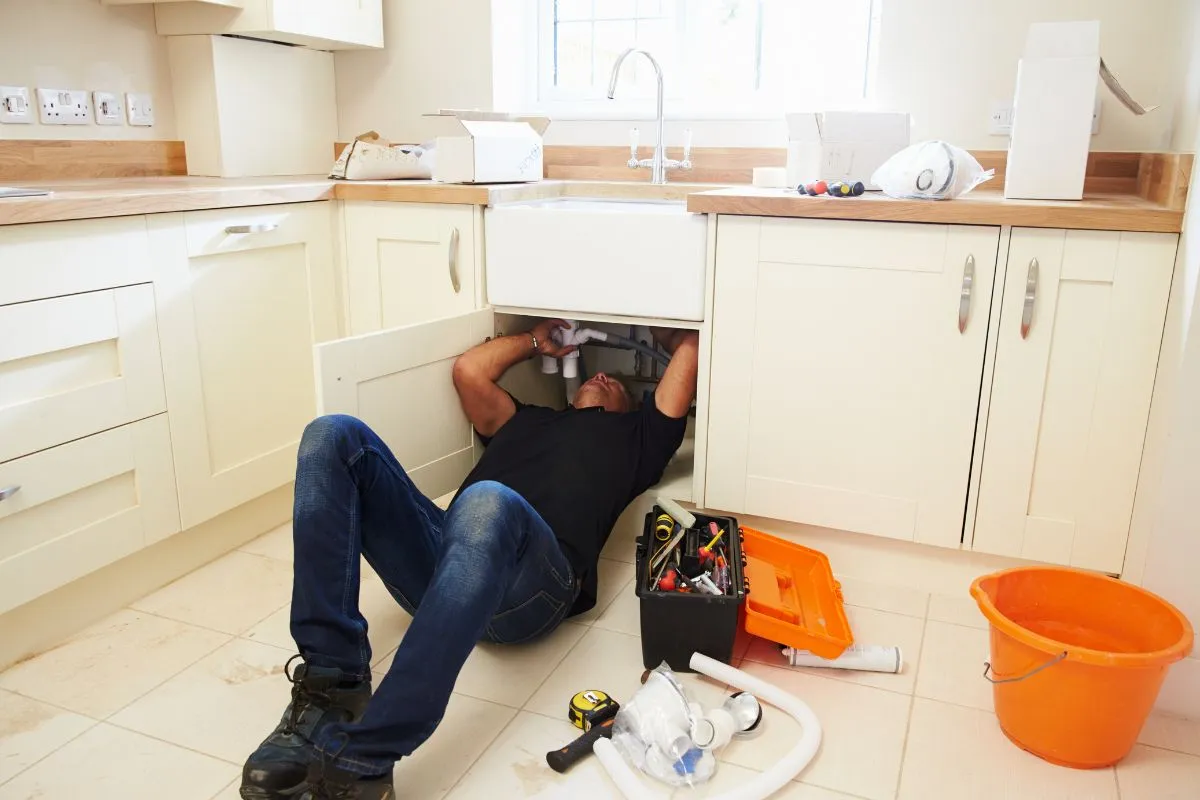
Keeping your home in top shape isn’t just about aesthetics; it prevents headaches like clogged drains. Ever wondered about the right drain cleaning frequency? We’ve got you covered. Regular maintenance keeps plumbing woes at bay. Let’s dive into practical tips and expert advice to ensure your drains flow smoothly. Don’t wait for trouble to bubble up!
Sommaire
ToggleUnderstanding the importance of regular drain cleaning
Regular drain cleaning ensures smooth water flow and prevents costly plumbing problems. Neglecting drains leads to blockages and unpleasant odors. Understanding the importance of maintaining your drains can save you time and money. Consider these key benefits of regular drain maintenance:
- Prevents clogs that can lead to water damage.
- Reduces bad odors in your home environment.
- Increases the lifespan of your plumbing system.
- Improves household hygiene and cleanliness.
Routine care keeps your drains functioning efficiently and avoids unexpected issues.
Why clean your drains regularly?
Maintenir vos drains propres reste crucial pour éviter les problèmes de plomberie coûteux et les désagréments domestiques. Des drains obstrués peuvent causer des mauvaises odeurs, des refoulements, et même des dégâts d’eau. Un nettoyage régulier prévient l’accumulation de débris, graisse, et savon, assurant ainsi un bon écoulement de l’eau. En s’occupant régulièrement de vos canalisations, vous prolongez la durée de vie de votre plomberie. Prenez des mesures préventives et évitez les surprises désagréables. Un entretien simple aujourd’hui peut éviter une réparation majeure demain. Gardez vos drains en bon état.
Common problems from neglected drains
Neglected drains often lead to clogs that disrupt water flow, causing backups and potential water damage. Foul odors may arise, affecting your home’s ambiance. Bacteria and mold thrive in stagnant water, posing health risks. Ignoring these issues can escalate repair costs significantly.
Recommended drain cleaning frequency
For optimal drain cleaning frequency, consider these guidelines:
- Monthly: Kitchen drains
- Quarterly: Bathroom sinks
- Biannually: Shower drains
- Annually: Main sewer line
- Seasonally: Outdoor drains
- As needed: Garbage disposals
Factors affecting cleaning frequency
Several factors influence how often you should clean your drains. These considerations ensure your plumbing remains efficient and trouble-free.
- Household size
- Type of plumbing system
- Frequency of drain use
- Age of the plumbing
- Presence of trees near the house
Homeowners in coastal areas, like San Diego, benefit from routine maintenance to combat specific local challenges.
General guidelines for households
Aim to clean household drains every few months to prevent clogs and maintain flow. Regular checks help. For simple pipe upkeep advice, consider using a vinegar and baking soda mix monthly. Keep your plumbing efficient and avoid unexpected issues.
Signs your drains need immediate attention
Spotting early warning signs of drain issues helps prevent costly repairs. Notice slow draining sinks or tubs. Water backup in toilets signals a problem. Foul odors from drains mean trapped debris or clogs. Gurgling noises indicate air in pipes. Frequent clogs suggest deeper issues. Ignoring these signs risks severe blockages or damage. Address these concerns promptly to avoid plumbing emergencies. Regular maintenance and attention keep your home’s plumbing system efficient. When in doubt, contact a professional plumber for a thorough inspection and cleaning.
Warning signs of clogged drains
Water backing up in sinks or tubs signals clogged drains. Gurgling noises from pipes also indicate a blockage. Slow drainage serves as another clue. Foul odors from drains suggest trapped debris. Toilets flushing poorly point to obstructions in the line. Ignoring these warning signs can lead to severe plumbing issues. Keep an eye out for these problems to prevent costly repairs. Regular checks help maintain a smoothly running household plumbing system.
When to call a professional plumber
Sometimes, DIY methods won’t cut it. Recognize the signs to call in a professional plumber. Save time and avoid costly mistakes.
- Water backups
- Slow drainage
- Persistent odors
- Unusual noises
- Frequent clogs
- Visible leaks
DIY drain cleaning methods
Unclog your drains with simple DIY methods using household items. Try these effective techniques:
- Pour a mixture of baking soda and vinegar down the drain.
- Use a plunger to dislodge blockages.
- Insert a drain snake to clear stubborn clogs.
Regular maintenance prevents costly plumbing issues.
Safe and effective techniques
Try using a mixture of baking soda and vinegar. Pour hot water down the drain before and after. Use a drain snake for tougher clogs. Avoid chemical cleaners, as they can damage pipes. These methods keep your drains clean and safe.
Tools you might need
- Plumber’s snake: Reach deep into pipes to remove blockages.
- Plunger: Create suction to dislodge minor clogs.
- Pipe wrench: Adjust tight fittings and connections.
- Bucket: Catch debris or water during cleaning.
- Rubber gloves: Protect hands from chemicals and debris.
Using the right tools makes drain cleaning more effective. A plumber’s snake or a plunger helps tackle common clogs. Keep a pipe wrench handy for adjustments. Always wear rubber gloves to stay safe. A bucket will catch any spills. With these tools, you maintain your home’s plumbing easily.
Professional drain cleaning services
Hiring a professional for drain cleaning ensures thorough removal of blockages and buildup. Experts use advanced tools like hydro-jetting and camera inspections to diagnose issues accurately. This approach prevents future clogs and prolongs the lifespan of your plumbing. Enjoy peace of mind with reliable and efficient service.
Benefits of hiring a professional
Hiring a professional plumber ensures thorough cleaning with advanced tools. They diagnose hidden issues, preventing costly damage. Professionals provide long-lasting solutions, enhancing drain efficiency. Trust their expertise for peace of mind.
What to expect from a service visit
During a service visit, the plumber inspects your drains using advanced tools like cameras to identify blockages. They provide a thorough cleaning, removing debris and buildup. Expect professional advice on maintaining clean drains and preventing future issues. High-quality service ensures efficient drainage and peace of mind.
Frequently Asked Questions
How can I prevent frequent clogs in my drains?
Use drain screens to catch hair and debris. Avoid pouring grease or coffee grounds down the sink. Regularly flush drains with hot water and vinegar.
What are some signs that my drains need cleaning?
Slow draining water, gurgling noises, and unpleasant odors indicate clogged drains. Address these issues promptly to prevent damage.
Should I hire a professional for drain cleaning?
Consider professional help if DIY methods fail. A plumber ensures thorough cleaning and identifies any underlying issues. It’s worth the peace of mind.
