
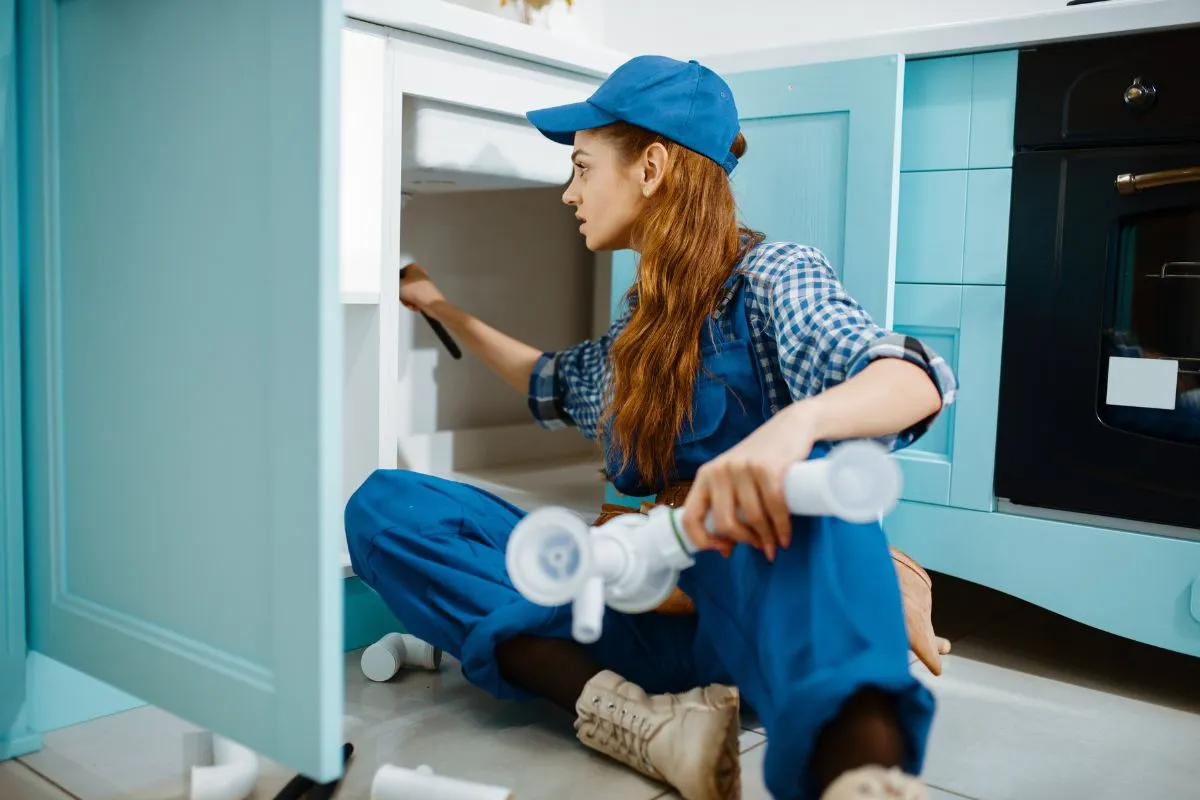
Ever notice a sluggish drain or an odd smell wafting up from the sink? These nuisances might hint at a more serious issue lurking beneath the surface. Ignoring these can lead to bigger problems and costly repairs. Let’s dive into the telltale signs your clogged drain needs immediate attention to keep your home running smoothly.
Sommaire
ToggleSlow drainage
Slow drainage signals a potential problem with your plumbing. When water takes longer to disappear, it often points to a clogged drain. Here are five common causes:
- Accumulation of hair or soap
- Grease buildup in kitchen pipes
- Mineral deposits from hard water
- Foreign objects trapped in pipes
- Tree roots invading sewer lines
Regular maintenance schedule helps prevent these issues and keeps your plumbing system efficient.
Water pooling in sinks or tubs
Water pooling in sinks or tubs signals a clogged drain. Ignoring it leads to bigger plumbing issues. Take note of these warning signs.
- Slow water drainage
- Water rising in adjacent fixtures
- Visible debris in drain
- Unusual sounds from pipes
Water pooling often indicates a blockage. Address it quickly with a plunger or DIY methods. Keep your plumbing running smoothly.
Persistent gurgling sounds
- Check for trapped air in your pipes.
- Listen for gurgles when flushing toilets.
- Notice sounds after using a dishwasher.
- Inspect for partial blockages in drains.
- Observe if multiple drains gurgle simultaneously.
- Investigate venting issues with plumbing system.
Persistent gurgling sounds signal a potential clogged drain or venting issue in your plumbing. Addressing these sounds early can prevent more serious problems.
Foul odors
A foul odor near your drains signals a potential problem with your plumbing system. Ignoring this can worsen the situation, leading to costly repairs. Act quickly to avoid complications. Here’s what to watch for:
- Sulfur-like smell in the bathroom
- Sewage odor in the kitchen
- Musty scent in laundry areas
- Rotten egg smell near sinks
- Persistent stench despite cleaning
- Odor intensifies with water use
Recognize these signs early to maintain a fresh home environment.
Unpleasant smell near drains
An unpleasant smell near drains often signals a clogged drain. This odor arises from trapped debris and stagnant water. Address this issue promptly to prevent bacterial growth. Pour a mixture of baking soda and vinegar down the drain. Let it fizz for a few minutes, then flush with hot water. This DIY solution can effectively eliminate odors and clear minor clogs.
Frequent clogs
Frequent clogs frustrate any homeowner. When you constantly need to plunge sinks or find toilets backing up, it’s time to act. These persistent issues indicate a deeper problem within your plumbing system. Grease, hair, and debris build up over time, blocking your pipes. Regular maintenance helps in keeping drains clear and preventing these headaches. Consider using enzymatic drain cleaners monthly to break down potential blockages. Remember, ensuring pipes stay clog-free saves you time and effort.
Repeated need for plunging
Experiencing a repeated need for plunging signals a deeper issue in your plumbing system. Constant clogs indicate buildup or an obstruction that simple plunging won’t fix. Addressing the root cause involves inspecting pipes for debris or mineral deposits, which may require professional help if DIY methods fail.
Toilets backing up
Toilets backing up can signal a serious clogged drain issue. Address this quickly:
- Inspect for any obvious obstructions.
- Use a plunger to dislodge blockages.
- Consider a plumbing snake for stubborn clogs.
Water backups
Water backups can indicate a serious issue with your plumbing system. When water overflows in unexpected places, it suggests a clogged drain that needs immediate attention. You might see water pooling in your basement or around your toilet. This not only creates a mess but can also lead to water damage. Addressing these backups swiftly helps prevent further complications. Implementing routine drain upkeep minimizes the risk of such problems, ensuring your home’s plumbing remains efficient and trouble-free.
Water overflow in unexpected places
Water suddenly appearing in unexpected spots signals a potential clogged drain. This issue often leads to water backups in areas like basements or kitchens. Address it promptly with DIY solutions to prevent further damage. Consider using a plunger or drain snake for quick relief.
DIY unclogging solutions
Tackle a clogged drain with these easy home unclogging tricks:
- Pour boiling water down the drain to dissolve grease.
- Mix baking soda and vinegar for a fizzing reaction that breaks blockages.
- Use a plunger to create pressure and dislodge debris.
- Try a plumber’s snake to reach deeper clogs.
These DIY unclogging methods offer quick and efficient solutions, saving both time and money.
Using baking soda and vinegar
Combine one cup of baking soda with one cup of vinegar to tackle a clogged drain. Pour baking soda into the drain first. Follow with vinegar. Cover the drain for about 15 minutes. Rinse with hot water to clear debris. This simple mixture breaks down grease and grime, ensuring a smooth flow.
Plunging techniques
Mastering plunging techniques ensures a quick fix for a clogged drain. Position the plunger over the drain, ensuring a tight seal. Push down firmly and pull up with forceful strokes. Repeat until water drains freely.
Questions and Answers
What causes slow drainage in sinks?
Slow drainage often results from buildup like hair or soap scum. These block the flow, needing quick attention.
How do foul odors develop near drains?
Foul odors arise from trapped food particles or organic matter decomposing. Regular cleaning helps prevent this.
Why do toilets keep backing up?
Frequent backups occur due to obstructions in the pipes. Using a plunger can often resolve minor issues.
What should you do if water overflows in unexpected places?
Check for clogs in nearby drains. Immediate action can prevent further water damage.
Can baking soda and vinegar really unclog a drain?
Yes, this combination creates a fizzing action that helps break down blockages. It’s a simple DIY solution.
