
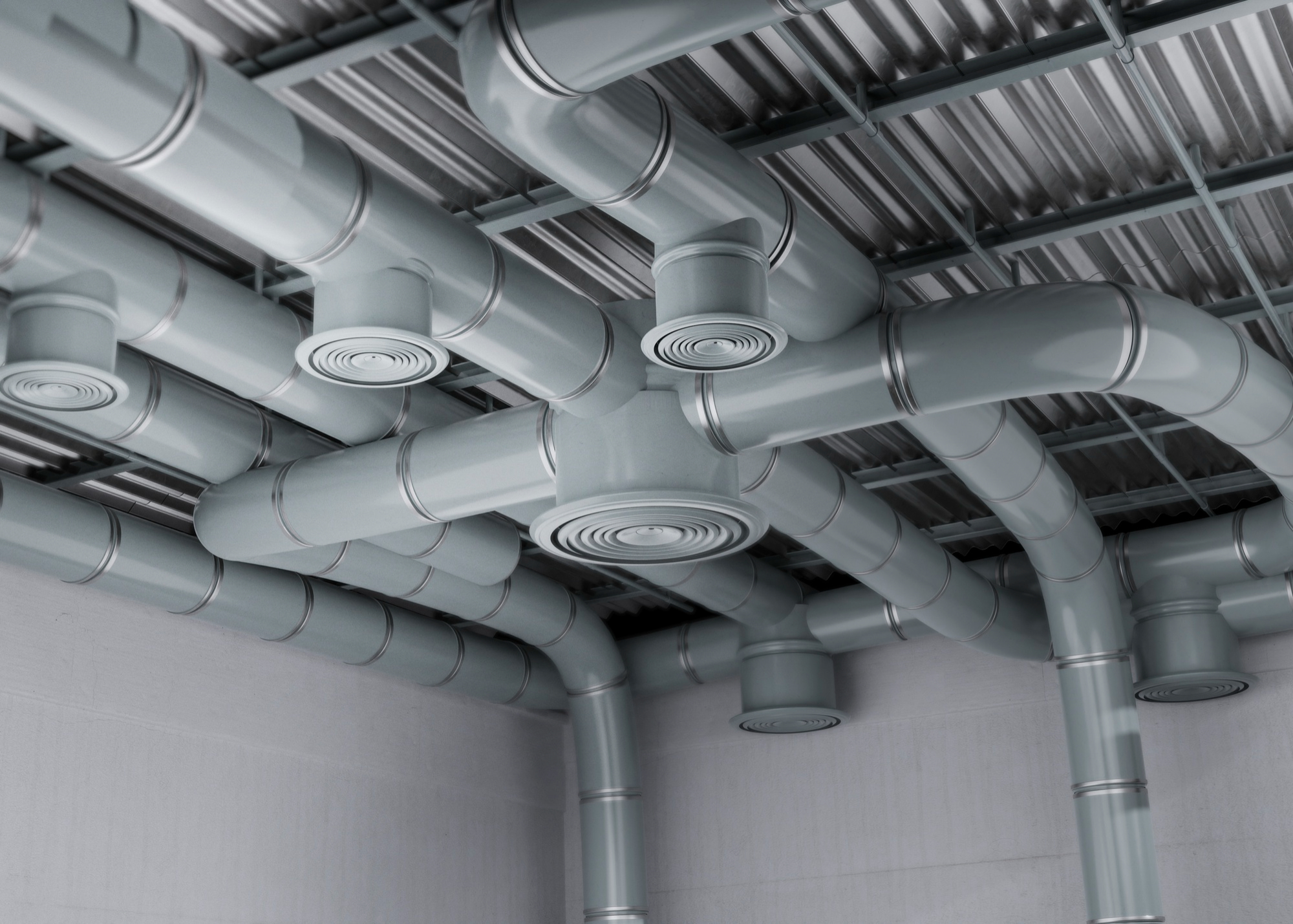
Air conditioning is essential in San Diego’s warm climate, and keeping your system running efficiently is key to staying cool during the hot months. One of the most important maintenance tasks that often goes overlooked is cleaning your AC drains. These drains play a vital role in removing moisture from your AC unit, and if they’re clogged or dirty, it can lead to a range of issues.
Sommaire
ToggleWhy should you clean your air conditioning drains?
Your air conditioning system works by cooling the air and removing moisture, which collects in a condensate pan. The moisture then drains away through the drain line to prevent any excess water from damaging the system or your home. However, if the drain becomes clogged or blocked, it can lead to several problems:
Preventing water damage
One of the most common problems caused by clogged AC drains is water damage. If the condensate line is blocked, water can overflow from the pan, causing damage to the system or even leaking into your walls and ceiling. This can result in costly repairs and potential mold growth if left untreated.
Improved cooling efficiency
When the AC unit is functioning optimally, it not only cools the air efficiently but also manages moisture removal effectively. A blocked drain can cause the AC to work harder than necessary, leading to reduced cooling efficiency and higher energy bills. Cleaning the drain ensures your system doesn’t have to work overtime to keep your home cool.
Avoiding mold and mildew growth
A clogged AC drain can create a breeding ground for mold and mildew, especially in a humid climate like San Diego. Moisture trapped in the system can cause these fungi to grow, potentially spreading allergens and reducing indoor air quality. Regularly cleaning the drain line helps prevent mold growth inside the AC unit.
Extending the life of your AC unit
Regular maintenance, including drain cleaning, helps extend the life of your air conditioning system. Clogged drains can cause the system to overheat or malfunction, leading to premature wear and tear. By cleaning the drain, you are preventing potential damage and ensuring your AC unit remains in good working condition for longer.
Read more: Why hydro jet drain cleaning is the best choice in San Diego
When should you clean your air conditioning drains?
To keep your air conditioning system running smoothly, it’s important to clean the drains regularly. Here are the key times you should focus on cleaning:
Before the cooling season (spring)
Cleaning the AC drain at the start of the cooling season is essential to prepare the unit for the heavy usage it will experience in San Diego’s warm months. It’s always best to address any potential issues before the system is under heavy demand. Spring cleaning ensures that everything is clear and working properly as the temperatures rise.
After heavy rains
San Diego is not known for heavy rainfall, but when it does rain, debris can easily find its way into your AC’s drainage system. It’s important to clean the drain after heavy rainfalls, as leaves, dirt, and other materials can block the line, causing water backup and potential damage to the system.
If you notice slow drainage or leaks
If your air conditioner starts to show signs of slow drainage or water leakage, it’s time to clean the drain. Water stains around the AC unit or noticeable puddles of water near the system often indicate a clog. These signs mean the condensate is not draining properly and could be backing up, potentially causing damage to your AC unit.
Once every six months
Even if you don’t notice immediate issues, it’s still a good idea to clean the drain every six months to ensure proper drainage and keep your AC working at peak efficiency. A biannual cleaning routine, at the start of the cooling season and midseason, can help prevent clogs and ensure everything is functioning properly.
How to clean your air conditioning drains
Cleaning your AC drain is a simple process. Here are the basic steps:
- Always turn off the power to your air conditioning system to ensure safety.
- Find the PVC pipe that leads from the condensate pan to the outside of your home.
- Attach a wet/dry vacuum to the drain line to remove debris, dirt, or algae. You can also pour a water and vinegar solution to break up sludge.
- Inspect the condensate pan for debris. Clean it with a disinfectant to prevent mold or algae growth.
- After cleaning, flush the drain line with hot water to ensure smooth water flow. You can also use a specialized cleaning solution to disinfect.
Read more: Eco-friendly methods to clean your drains in San Diego
When to call a professional
While cleaning your AC drain is a relatively simple task, there are times when it’s best to call a professional. If you notice persistent leaks, slow drainage, or mold buildup despite cleaning the drain, it may indicate a deeper issue that requires expert attention. A professional HVAC technician can:
- Perform a thorough inspection of your AC system.
- Use specialized tools to clean hardtoreach areas.
- Identify any underlying issues that could affect your unit’s performance, such as blocked lines or malfunctioning components.
Cleaning your air conditioning drains in San Diego is an essential part of keeping your system running efficiently. Regular drain maintenance helps prevent costly water damage, improves cooling performance, and extends the lifespan of your AC unit. By cleaning the drain at the start of the cooling season, after heavy rains, or when you notice signs of blockage, you can ensure your system is in top condition all year long. Whether you choose to clean it yourself or call a professional, maintaining a clear drain line will save you time, money, and stress in the long run.
