
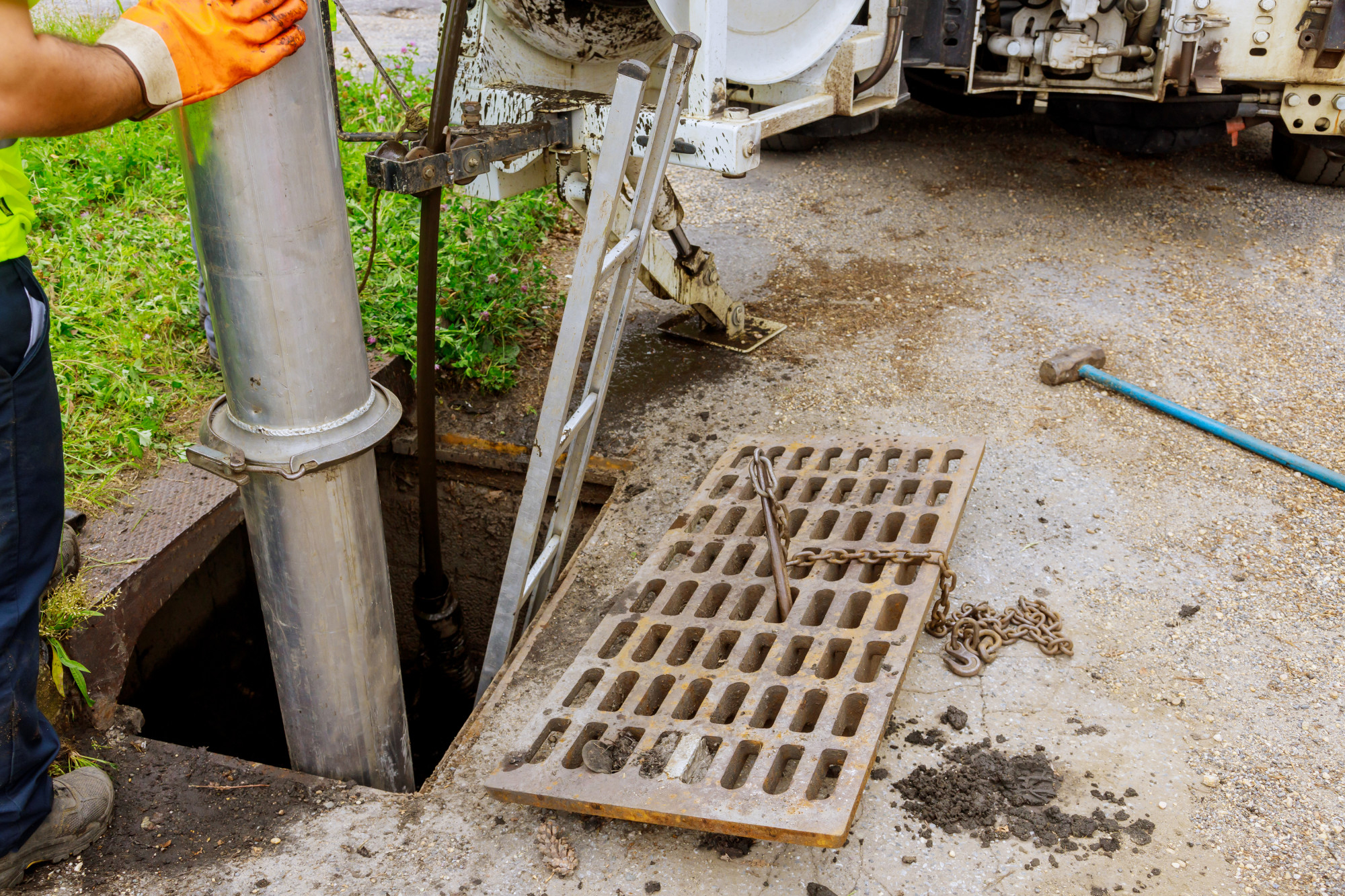
Between coastal humidity, seasonal dust and sometimes antiquated plumbing systems, San Diego households face specific risks when it comes to sewage disposal. A poorly maintained pipe can cause much more than unpleasant odors: backups, corrosion or structural damage are never far away. Here are the most effective practices for preventing these problems, before they get any worse.
Sommaire
ToggleSimple daily habits to prevent clogs
In San Diego, your drains are constantly under stress due to daily use and unique environmental conditions. To prevent blockages, a few simple habits can make all the difference. Every action counts to keep your pipes flowing and avoid unexpected repair bills.
Use strainers to catch hair, food scraps, and debris
A strainer placed over every sink or shower keeps most unwanted waste out of your pipes. Hair, leftover food, and small objects are common causes of clogs you can easily stop. Empty these strainers regularly to maintain their effectiveness.
Avoid pouring grease, coffee grounds, or oil down the sink
This habit is one of the main causes of persistent clogs. Once cooled, grease hardens and sticks to your pipe walls. Coffee grounds build up and form dense blockages. Instead, use a jar to store used oil, then throw it away with your trash.
Flush your drains with hot water and vinegar
Once a week, pour boiling water down your drains, followed by white vinegar and baking soda. This natural mix dissolves soap scum, light grease, and refreshes your system. It helps eliminate bad smells and prevents buildup over time.
Be cautious with garbage disposal use
If you have a garbage disposal, don’t feed it just anything. Avoid thick peels, eggshells, rice, and pasta. These foods expand, clump, or get stuck. Let the water run a few seconds before and after use to ensure proper flow. These habits, applied daily, save you from major plumbing headaches.
Read more : Top 7 tips for cleaning kitchen drains in San Diego and preventing clogs
What you should never throw down the drain
Some mistakes, even unintentional, can lead to deep clogs. Knowing what not to put down your sink, toilet, or bathtub protects both your pipes and your wallet.
Non-biodegradable items and aggressive cleaners
Wipes, sanitary products, cotton swabs, and paper towels don’t break down properly. Even those labeled “flushable” can clog your pipes. Always toss them in the trash. As for cleaning products, be cautious with chemical drain cleaners. Some damage pipe joints, weaken plumbing, or harm wastewater systems. Choose natural alternatives or call a trusted plumber instead.
Grease, paint, and toxic residues
Cooking grease isn’t the only enemy. Solvents, varnishes, motor oil, and paint contain harmful chemicals. These not only clog your drains but also harm local sewage treatment systems. Take such waste to a certified disposal center in San Diego. Staying mindful of what goes down your drain protects your home and the environment.
How San Diego’s climate and infrastructure affect your drains
San Diego has its own plumbing challenges: hard water, coastal exposure, and an aging sewer system. These factors directly affect your pipe health. Understanding them helps you adjust your cleaning routines effectively.
Hard water and marine humidity
San Diego’s water is naturally rich in calcium and minerals. These build up inside pipes over time, especially without regular flushing. Living close to the ocean also increases the risk of metal pipe corrosion, especially in older homes.
Seasonal risks: rain, wind, and sand
Fall and winter bring occasional heavy rainstorms. If your gutters or outdoor drains are blocked, water can back up into your system. During other seasons, wind carries dust and sand, which settle in outdoor grates and reduce drainage performance.
Older homes and outdated systems
Several neighborhoods in San Diego feature homes that are decades old. If your plumbing still uses cast iron or clay pipes, you’re at higher risk of cracks, root intrusion, or pipe collapse. A regular check-up can prevent serious damage. Knowing your city’s environment helps you stay ahead of plumbing problems.
When should you call a professional?
Even with excellent habits, some situations go beyond what you can handle. Recognizing when to call a plumber saves time, money, and long-term damage to your home’s drainage system. Persistent odors, bubbling in your toilet, or multiple slow drains at once usually indicate a deeper issue. Act quickly before things get worse.
Having your drains cleaned before they clog saves you from expensive emergency calls. A plumber uses tools like sewer cameras or high-pressure jetting to identify and eliminate developing blockages. One or two visits per year help extend the life of your system. In San Diego, work with a plumber who knows local codes, common materials, and climate challenges. Look for experience and clear communication. Check reviews, licenses, and request a detailed quote before the work begins. Taking action at the right time is always smarter than waiting for a mess.
