
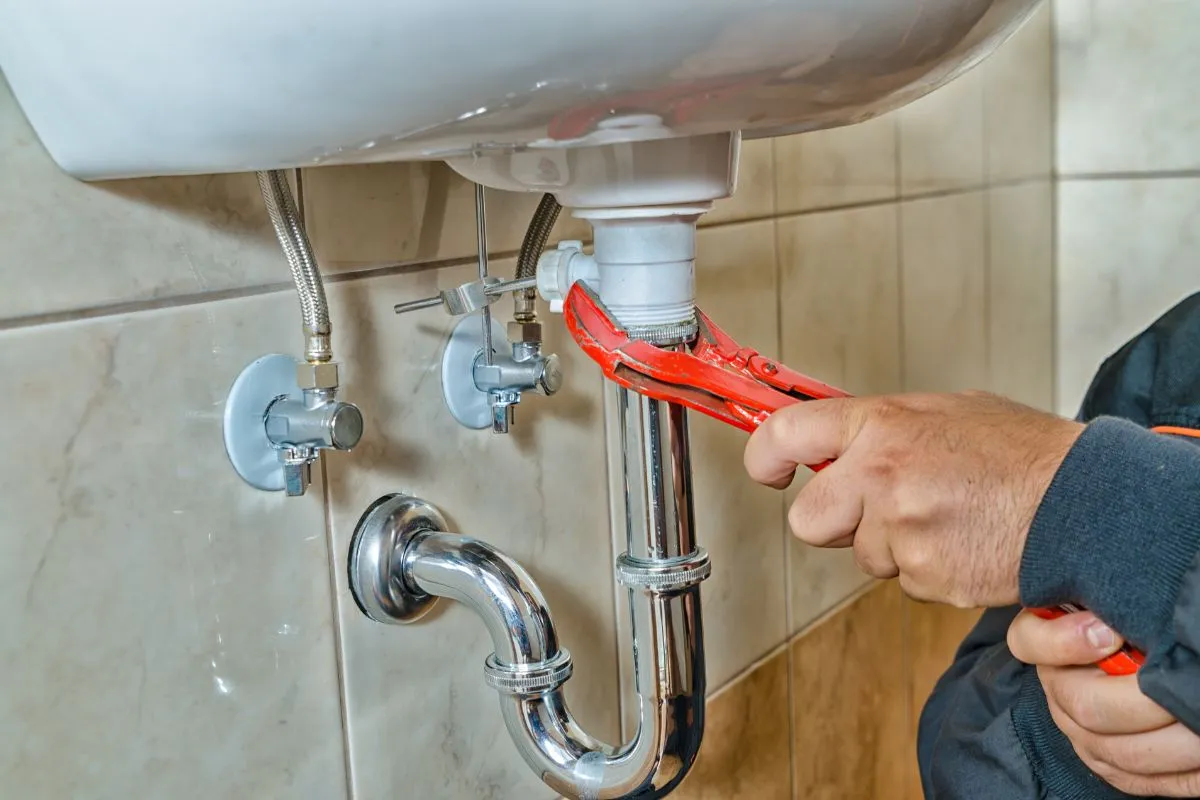
Homeowners often face tough choices with plumbing repair options. Leaky pipes or worn-out fittings can threaten your home’s safety and value. So, how do you decide between repair or replacement? Dive into this guide for practical tips, clear signs, and expert advice. Let’s safeguard your home and keep those pipes in top shape.
Sommaire
ToggleUnderstanding the basics of plumbing issues
Understanding basic plumbing issues helps maintain your home’s value and safety. Look for common signs like slow drains, low water pressure, and unusual noises. These visual clues indicate potential pipe damage. Identify leaks or corrosion early to avoid costly repairs. A proactive approach ensures peace of mind and efficient plumbing repair options.
Common signs of plumbing problems
- Unusual sounds from pipes
- Slow draining sinks
- Water stains on walls
- Low water pressure
- Unexpected water bills
- Foul odors from drains
Notice these recurring drainage problems early to prevent major repairs. Addressing these signs with quick response actions ensures your home’s plumbing stays in top condition.
Visual clues for pipe damage
Identifying visual clues for pipe damage helps prevent costly repairs. Look for these signs to assess your plumbing system:
- Water stains on ceilings or walls
- Visible corrosion or rust on pipes
- Unusual water discoloration
- Mold or mildew around fixtures
- Warped or soft flooring
Address these issues promptly to safeguard your home. For minor leaks, use pipe sealants. For severe damage, consult a plumbing expert. Regular checks ensure a healthy plumbing system.
Repairing pipes: When is it the right choice?
- Minor leaks or drips that don’t affect the entire system
- Pipes made of durable materials with no extensive corrosion
- Localized damage in an accessible area
Opting for pipe repair makes sense when the issue remains contained. Fixing minor leaks or replacing small sections saves money and time. Evaluate the material and accessibility to decide if repair works best.
Benefits of pipe repair
- Pipe repair offers a cost-effective solution compared to replacement.
- It minimizes disruption by targeting specific problem areas.
- Repair often preserves existing infrastructure, avoiding major renovations.
- Quick fixes lead to restored water flow, ensuring home comfort.
Repairing pipes saves money and reduces inconvenience. It addresses specific issues without extensive work. This approach keeps your home’s plumbing efficient, maintaining comfort and functionality.
Step-by-step guide to repairing a pipe
Start by turning off the water supply. Locate the damaged pipe section. Use a pipe cutter for a clean cut. Remove the damaged part. Fit a new pipe section with couplings. Ensure a snug fit. Apply pipe sealant on connections. Tighten the fittings securely. Turn on the water and check for leaks. Follow these steps for effective plumbing repair options and safeguard your home’s plumbing system.
Replacing pipes: When is it necessary?
Replacing pipes becomes necessary when signs of severe damage or old age appear. Consider these indicators:
- Frequent leaks: Persistent issues signal serious problems.
- Corrosion: Rusty pipes weaken over time.
- Low water pressure: Blockages or leaks often cause this.
- Discolored water: Indicates contamination or pipe decay.
- Noisy pipes: Creaking or banging suggests structural damage.
Timely replacement ensures a safe and efficient plumbing system.
Advantages of pipe replacement
Replacing pipes offers homeowners several advantages. It ensures improved water quality and reduces the risk of future leaks. Modern materials like PEX and PVC provide better durability, enhancing the home’s overall plumbing efficiency. These upgrades can also boost property value, making it a smart investment for maintaining your home.
| Advantages | Details |
|---|---|
| Durability | Modern materials like PEX last longer |
| Water Quality | Reduces contamination risks |
| Property Value | Increases home’s market appeal |
How to choose the right materials
Choosing the right materials for pipe replacement ensures durability and efficiency. Consider these factors:
- Water pressure and temperature
- Pipe location and accessibility
- Material compatibility with existing systems
- Cost and longevity balance
Copper, PEX, and PVC often offer reliable choices for different needs.
Making the decision: Repair or replace?
Deciding between repairing or replacing pipes involves key factors. Consider the extent of damage, pipe age, repair costs, and potential future issues. Weigh these elements:
- Extent of damage
- Pipe age
- Repair costs
- Future issues
Factors to consider
When deciding between pipe repair or replacement, consider the extent of damage, the age of your plumbing, and potential future issues. Factor in your home’s value and the cost implications. Think about the disruption to your daily life. An older system might benefit from a full replacement. Assess your budget and consult a professional to evaluate the most practical and cost-effective solution for your home.
Cost comparison and budgeting tips
Comparing costs, pipe repair often proves cheaper upfront, while replacement offers long-term savings by reducing future repairs. Consider labor, materials, and potential water damage costs. Budget wisely by assessing the severity of the issue and seeking multiple quotes from trusted plumbers for plumbing repair options.
Maintaining your plumbing system
Regular maintenance ensures your plumbing system functions smoothly. Check pipes for leaks monthly. Inspect faucets for drips. Replace worn washers promptly. Clean drains using a natural solution like baking soda and vinegar. Avoid flushing non-flushable items. Install water softeners to prevent mineral buildup. Schedule annual inspections with a licensed plumber. These steps prolong your system’s lifespan. Save money on costly repairs by catching issues early. Ensure your home’s safety and value by keeping plumbing in top condition. Prioritize these simple tasks for peace of mind.
Preventive measures to avoid future issues
Regular inspections help identify leaks early. Check for corrosion on visible pipes. Install water softeners to minimize mineral buildup. Insulate pipes to prevent freezing in winter. Implementing preventive maintenance reduces costly repairs. Schedule professional evaluations annually. Incorporating advantages of routine care ensures a healthy plumbing system.
Professional tips for regular maintenance
Regular plumbing maintenance keeps your system in top shape. Follow these expert tips:
- Inspect pipes monthly for leaks or corrosion.
- Clear drains with natural solutions to prevent clogs.
- Check water pressure regularly to avoid strain.
Incorporate a consistent plumbing checkup to ensure efficient operation and prolong system life.
FAQ
What are the common signs of plumbing problems?
Look for leaks, slow drains, and unusual noises. These often indicate pipe issues.
How can I visually identify pipe damage?
Check for discoloration, corrosion, or damp spots on walls and ceilings.
What are the benefits of repairing pipes instead of replacing them?
Repairs save money and time. They extend the life of existing pipes.
When should I consider replacing my pipes?
If pipes frequently leak or are over 50 years old, replacement might be necessary.
How can I maintain my plumbing system effectively?
Schedule regular inspections and use drain screens. These prevent clogs and damage.
