
Plumbing emergencies can strike anytime, leaving you scrambling. Before you panic, know that quick, smart actions make a difference. With the right emergency plumbing tips, you’ll minimize water damage and save money. Urban dwellers, whether in a cozy apartment or a spacious house, need to act swiftly. This guide provides step-by-step solutions to tackle those pesky leaks and clogs efficiently.
Sommaire
ToggleAssessing the situation
In an emergency plumbing scenario, quickly assess the situation. First, locate the leak’s source. Check under sinks, around pipes, and near water heaters. Next, determine the problem’s severity. Is water gushing or just dripping? This helps decide your next steps. If possible, capture images or videos. They can assist when explaining issues to professionals. Knowing the damage extent aids in planning repairs. Ensure safety by avoiding flooded areas and turning off electricity if needed. Swift assessment minimizes water damage and controls costs. Stay calm and prioritize these steps to manage the crisis effectively.
Identifying the source of the leak
Check for wet spots on walls or ceilings to locate the leak source. Examine under sinks and around toilets for pooled water. Listen for dripping sounds near plumbing fixtures. Use a flashlight to inspect dark areas, ensuring no corner remains unchecked.
Determining the severity of the problem
To determine the severity of the problem, first examine the extent of the water leakage. Check if the leak causes visible property damage or if it affects multiple areas. Listen for any unusual sounds, like hissing or gushing, which might indicate a larger issue. Assess if the problem compromises essential systems, such as heating or cooling.
Immediate actions to take
First, locate the main water valve and turn it off to stop the flow. This prevents further water damage. Next, use towels or a mop to soak up standing water. Quickly move electronics and valuables to a dry area. These emergency plumbing tips help reduce immediate risks.
Shutting off the water supply
Emergency plumbing tips start with turning off the water supply. This crucial step prevents further water damage and buys time for repairs. Here’s how to do it effectively:
- Locate the main water shutoff valve, usually near your water meter.
- Turn the valve clockwise to stop water flow immediately.
- Test faucets to ensure water has stopped.
- If unsure, check building plans for valve location.
- Keep a wrench nearby for hard-to-turn valves.
Minimizing water damage
Act quickly to minimize water damage and protect your home. Use these steps to reduce the impact of a plumbing emergency.
- Move valuables and electronics to a dry area.
- Use towels to soak up excess water.
- Place buckets under leaks to catch drips.
- Ventilate the area to help drying.
- Check for mold signs after water exposure.
Regular drain upkeep advantages help prevent clogs and reduce the risk of sudden leaks.
Temporary fixes for common issues
Quick fixes save time and prevent further damage during plumbing emergencies. With the right materials, you can manage common issues yourself.
- Wrap a leaking pipe with plumber’s tape to seal minor cracks.
- Apply a pipe clamp for stronger leaks until repaired.
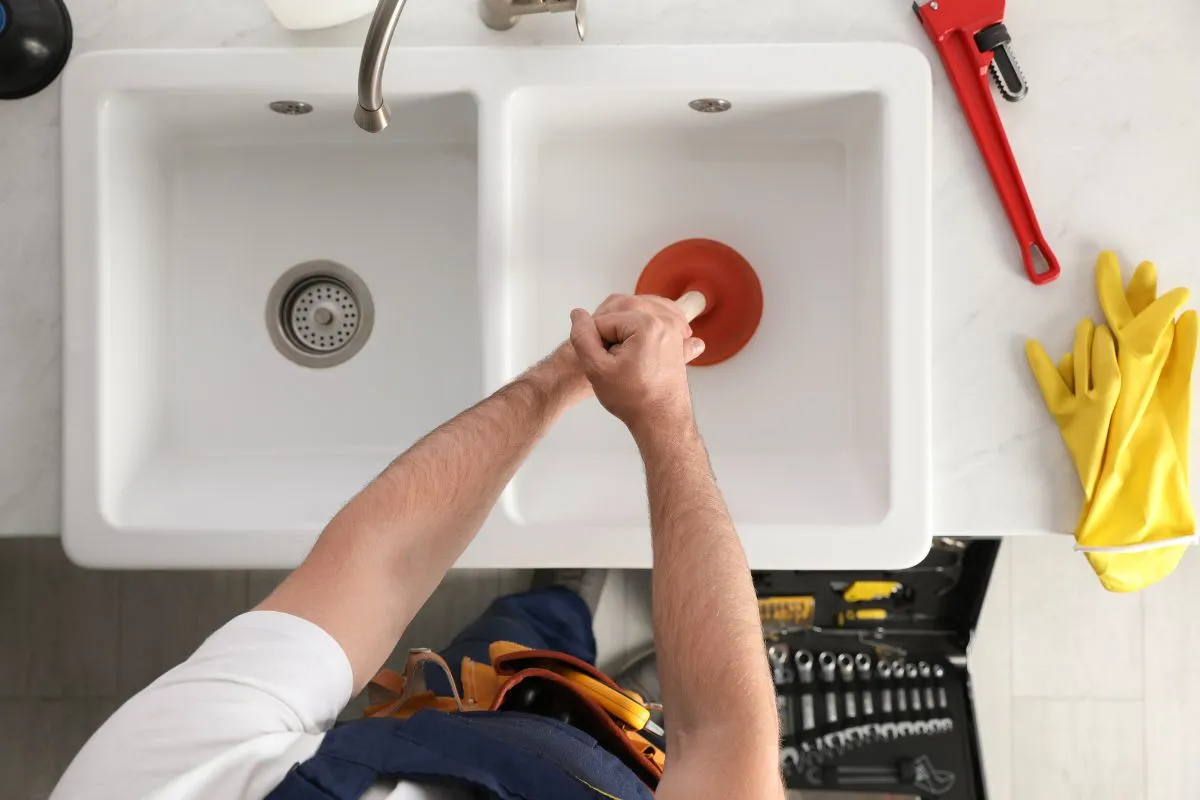
- Use a plunger or snake to clear clogged drains fast.
Fixing a leaking pipe with tape
A leaking pipe can cause chaos, but you can fix it quickly with tape. Follow these steps:
- Locate the leak source and dry the pipe.
- Use sandpaper to smooth the area around the leak.
- Wrap plumber’s tape tightly around the leak.
- Cover the leak with waterproof tape for extra security.
- Ensure the tape overlaps by half its width.
- Check for leaks, ensuring a snug fit.
This temporary fix helps minimize water damage until a plumber arrives.
Using a pipe clamp for temporary repair
Using a pipe clamp offers a quick fix for leaking pipes. Follow these steps to ensure a secure hold:
- Turn off the water supply to the affected area.
- Dry the pipe thoroughly with a towel.
- Place the rubber gasket over the leak.
- Position the clamp over the gasket.
- Tighten the clamp screws until snug.
Handling a clogged drain quickly
Clogged drains cause serious headaches, but quick action prevents bigger problems. Start by using a plunger to create pressure and dislodge the blockage. If this fails, consider using a plumbing snake to break through stubborn clogs. For persistent issues, mix baking soda and vinegar, pour it down the drain, and wait a few minutes before rinsing with hot water. These steps offer a DIY approach to common clogs and are often part of proven pipe cleaning strategies.
Essential tools and materials to have on hand
Keeping essential plumbing tools and materials on hand can save time during emergencies. Here’s a basic list:
- Adjustable wrench
- Plumber’s tape
- Pipe clamps
These items help address common plumbing issues swiftly. Additionally, adopting routine maintenance practices ensures your plumbing system stays in optimal condition. Regular checks and minor fixes can prevent unexpected problems, saving you both time and money in the long run.
Basic plumbing tools
Having basic plumbing tools at home empowers quick action during emergencies. Keep a pipe wrench for gripping pipes and a plunger for clogged drains. A basin wrench aids in tightening fittings, while a pipe cutter offers precision. An adjustable wrench and Teflon tape handle leaks. These tools ensure readiness for any emergency plumbing situation.
Emergency repair materials
Stock up on emergency repair materials to tackle plumbing issues swiftly. Keep plumber’s tape for sealing small leaks and pipe clamps for temporary fixes. Have a bucket to catch drips and a towel to dry surfaces. Silicon sealant works well for sealing joints. These materials help control damage while waiting for a professional. Always store them in an easily accessible place, ensuring you’re ready for any plumbing emergency.
Knowing when to call a professional
Persistent leaks or unusual noises signal the need for professional help. Water discoloration or pressure issues also indicate deeper plumbing problems. Professionals use tools like high-tech camera inspection to diagnose hidden issues. Attempting complex repairs without expertise risks further damage. Call a reliable plumber when unsure of the problem’s extent. Verify their credentials and reviews for peace of mind.
Signs that require expert intervention
Persistent low water pressure or unusual noises in pipes indicate deeper issues needing professional attention. If water discoloration appears, this might suggest pipe corrosion. Frequent clogs or slow drainage can signal a serious blockage. Always call a reliable plumber for these complex plumbing problems.
Finding a reliable plumber in your area
Check online reviews and ratings on platforms like Yelp or Angie’s List to find a reliable plumber. Ask neighbors or friends for recommendations. Ensure the plumber has a valid license and insurance to handle emergency plumbing situations effectively.
FAQ
How can I quickly locate a water leak in my home?
Check common areas like under sinks, near toilets, and around water heaters. Look for water stains or listen for dripping sounds.
What is the first step to take when I find a leaking pipe?
Immediately shut off the water supply. Locate the main valve and turn it clockwise to stop water flow.
How do I temporarily fix a burst pipe?
Wrap the pipe with waterproof tape or use a pipe clamp. These methods provide a temporary seal until professional help arrives.
What should I do if my drain is clogged?
Use a plunger or a drain snake to clear the blockage. Avoid using chemical cleaners as they may damage pipes.
When should I call a professional plumber?
If the leak persists, or if you notice extensive water damage, call a plumber. Also, seek help if you’re unsure of the repair needed.
