
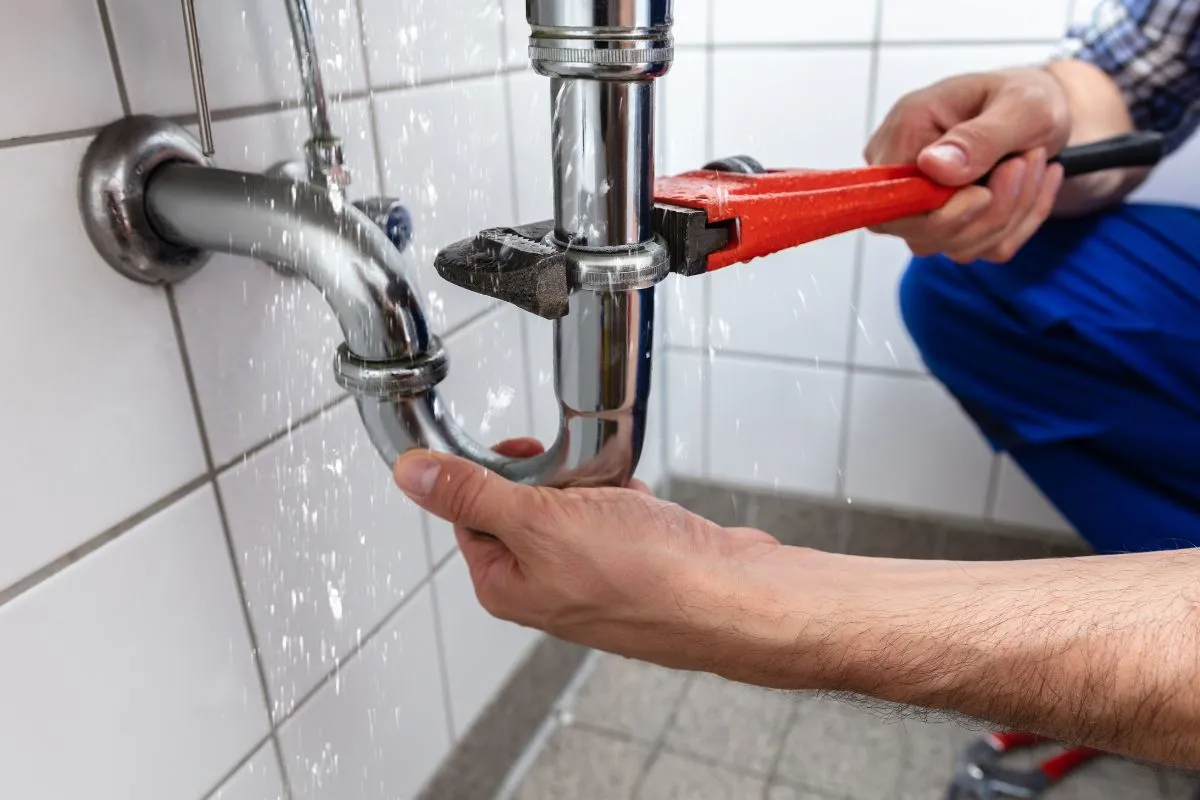
Ever wondered what lurks in your pipes? Modern technology reveals hidden issues with ease. Pipe camera inspections uncover what’s beneath the surface. From pesky clogs to sneaky leaks, plumbers use these tools to keep your plumbing in top shape. Dive in and discover how this innovative process can save you time and money on costly repairs!
Sommaire
ToggleUnderstanding pipe camera inspections
Pipe camera inspections offer a thorough view of plumbing systems. This technique allows plumbers to diagnose issues without invasive methods. Here’s what they examine:
- Blockages hindering water flow
- Cracks in pipe walls
- Potential leaks
- Tree root intrusion
- Corrosion signs
- Pipe misalignment
These insights guide effective repairs and maintenance strategies.
What is a pipe camera inspection?
A pipe camera inspection uses a specialized camera to examine plumbing pipes internally. This process helps identify issues without invasive measures. Plumbers insert the camera into the pipes, transmitting real-time video to a monitor. This visual access allows them to detect clogs, leaks, and structural problems. Pipe camera inspections offer a non-destructive way to assess pipe conditions. They provide homeowners with precise diagnostics, ensuring targeted repairs.
How does a pipe camera work?
A pipe camera operates by sending a small, flexible camera through the plumbing system to capture real-time video footage of the interior. This allows plumbers to visually examine the pipes for any signs of damage, blockages, or other issues. By providing clear images, the camera enhances inspection precision, making it easier to diagnose problems without invasive measures. The use of pipe cameras significantly improves the accuracy of visual diagnostics, ensuring that plumbers can pinpoint issues with minimal disruption to the home.
Key issues plumbers identify with pipe cameras
- Detecting blockages and clogs
- Identifying pipe leaks and cracks
- Assessing tree root intrusion
Plumbers use pipe cameras to spot issues like blockages, leaks, and roots. This tool reveals concealed plumbing problems that might otherwise go unnoticed. Identifying these concerns early helps prevent significant damage and costly repairs.
Detecting blockages and clogs
Pipe camera inspections play a crucial role in identifying blockages and clogs within plumbing systems. This technology allows plumbers to accurately pinpoint problem areas without invasive measures. Key issues detected include:
- Accumulation of debris
- Foreign objects causing obstruction
- Grease buildup in pipes
- Mineral deposits narrowing flow
Regular inspections help maintain unobstructed and clear pipelines. Ensuring unhindered water flow prevents costly repairs and extends the system’s life.
Identifying pipe leaks and cracks
Identifying pipe leaks and cracks with a pipe camera inspection ensures early detection of potential plumbing issues. Plumbers use this technology to pinpoint the exact location and severity of problems.
- Spotting wet spots
- Checking for rust
- Finding pressure drops
- Scanning pipe joints
- Inspecting for corrosion
- Monitoring water flow
Assessing tree root intrusion
Tree root intrusion poses a significant threat to plumbing systems. Plumbers use pipe camera inspections to assess the extent of root penetration. During the inspection, the camera reveals roots infiltrating joints and cracks. This method helps identify blockages caused by roots. Addressing this issue promptly prevents further damage. Solutions often include root cutting or chemical root killers. Regular inspections help maintain clear pipes and prevent costly repairs. Homeowners benefit from understanding the risks roots pose to their plumbing systems.
Benefits of using pipe camera inspections
Pipe camera inspections offer significant benefits for homeowners. They provide preventative maintenance advantages by detecting issues early, reducing the risk of major plumbing failures. This method proves cost-effective, saving money on extensive repairs. It enhances accuracy in diagnosing problems like blockages and leaks. Using a pipe camera inspection ensures efficient and timely solutions, safeguarding your plumbing system’s integrity.
Preventative maintenance advantages
Pipe camera inspections offer significant benefits in preventive maintenance for plumbing. They allow homeowners to identify issues before they escalate, saving on costly repairs. Regular inspections can catch early signs of blockages, leaks, or root intrusion. This proactive approach ensures the plumbing system remains efficient and extends its lifespan.
Cost-effectiveness in plumbing repairs
Pipe camera inspections offer cost-effectiveness by identifying precise issues, minimizing unnecessary excavation. Homeowners save money on labor and materials, targeting only problem areas. This efficient approach reduces the risk of future damage, ensuring long-term savings and maintaining the home’s plumbing integrity without extensive repairs.
Steps involved in a pipe camera inspection
A pipe camera inspection involves several critical steps to ensure accurate results. First, preparation requires clearing any accessible blockages. Next, during the inspection, the plumber guides the camera through pipes. They analyze results for issues. Key steps include:
- Preparing pipes for clear camera access
- Conducting a thorough camera inspection
- Analyzing findings for potential problems
Preparation for a camera inspection
Before a pipe camera inspection, plumbers ensure the plumbing system is accessible and free from excess water. They locate entry points and clear obstructions. Proper lighting and equipment calibration play a crucial role. This preparation helps in accurately identifying underlying issues within the pipes.
Conducting the inspection
The plumber carefully inserts the pipe camera into the plumbing system. This flexible tool navigates through bends and turns. Real-time video displays pipe interiors on a monitor. The plumber examines for blockages, leaks, or tree root intrusions. He notes any issues found, ensuring a detailed assessment of the plumbing’s condition for effective solutions.
Analyzing inspection results
Plumbers analyze inspection results to determine the condition of your pipes. They review footage for signs of damage or potential issues. This process helps identify necessary repairs and maintenance strategies. Key findings include:
- Blockages: Determine clog locations.
- Cracks: Assess severity of pipe damage.
- Leaks: Identify sources of water loss.
- Corrosion: Check for pipe deterioration.
- Root intrusion: Evaluate plant root impact.
- Misalignments: Spot pipe joint shifts.
Understanding these findings aids in planning effective plumbing solutions.
Solutions after identifying plumbing issues
After detecting issues during a pipe camera inspection, plumbers consider repair options like trenchless pipe lining or hydro jetting. These solutions target specific problems, ensuring efficient fixes. Regular maintenance, like pipe cleaning, prevents future clogs and leaks, keeping plumbing systems in top shape.
Repair options for common problems
Repairing common plumbing problems often involves straightforward solutions. Here are four effective options:
- Snaking or hydro jetting for clogs.
- Epoxy pipe lining for minor cracks.
- Trenchless pipe replacement for severe damage.
- Root killer chemicals to prevent tree root intrusion.
Addressing these issues promptly maintains your plumbing system’s integrity.
Preventative measures to avoid future issues
Homeowners can avoid plumbing issues by scheduling regular pipe camera inspections. These inspections catch problems early, preventing costly repairs. Routine maintenance, such as cleaning drains, reduces the risk of blockages. Plumbers recommend installing root barriers to prevent tree root intrusion. Sealing small leaks immediately avoids larger damage. Upgrading old pipes enhances system reliability and efficiency.
Frequently Asked Questions
What can a pipe camera inspection reveal about my plumbing system?
A pipe camera inspection can uncover blockages, leaks, cracks, and tree root intrusions. It helps assess the overall condition of your pipes.
How often should homeowners schedule a pipe camera inspection?
Homeowners should schedule a pipe camera inspection every 1-2 years. Regular checks help prevent major plumbing issues.
Can pipe camera inspections detect minor plumbing issues?
Yes, pipe camera inspections can identify minor issues. Early detection allows for timely repairs, preventing costly damage.
Are pipe camera inspections safe for old plumbing systems?
Yes, they are safe for old plumbing systems. The camera provides a non-invasive way to inspect without causing damage.
